The EU Ban on Titanium Dioxide
In January 2022, the European Union officially banned titanium dioxide (E171) as a food additive, following a safety assessment by the European Food Safety Authority (EFSA) that concluded genotoxicity concerns could not be ruled out. The ban, implemented through Regulation (EU) 2022/63, gave manufacturers a transition period until August 2022 for food products.
For the pharmaceutical and supplement industries, the impact has been significant. Titanium dioxide has been widely used as a white opacifier in capsule shells, tablet coatings, and as a colourant. While pharmaceutical products have been granted extended timelines, the trend toward TiO2-free formulations is clear and accelerating.
Why Was TiO2 Used in Capsules?
Titanium dioxide served several functions in capsule manufacturing. As a white opacifier, it gave capsules their bright white or pastel-coloured appearance. It also served as a light barrier, protecting UV-sensitive ingredients from photodegradation. For printed capsules, TiO2 provided the opaque background needed for legible printing.
These functions made TiO2 a convenient and cost-effective ingredient. However, the EFSA review raised concerns about the potential for nanoparticles of TiO2 to accumulate in the body and cause DNA damage, prompting the precautionary ban.
TiO2-Free Alternatives for Capsules
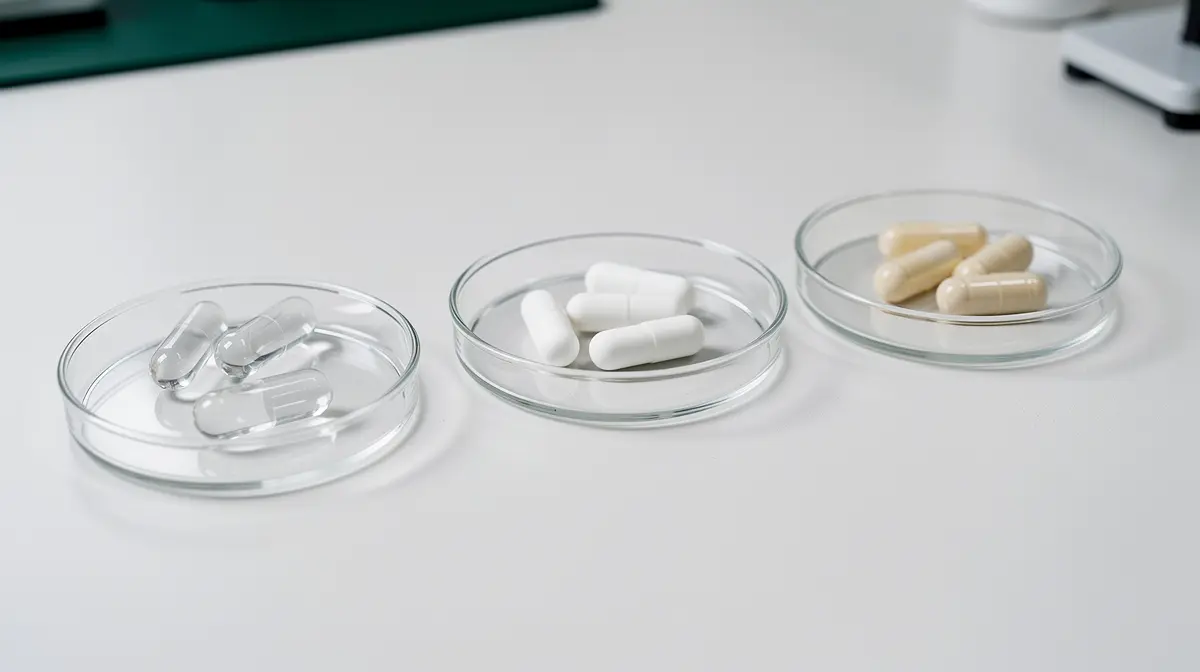
Several alternatives now exist for replacing TiO2 in capsule formulations:
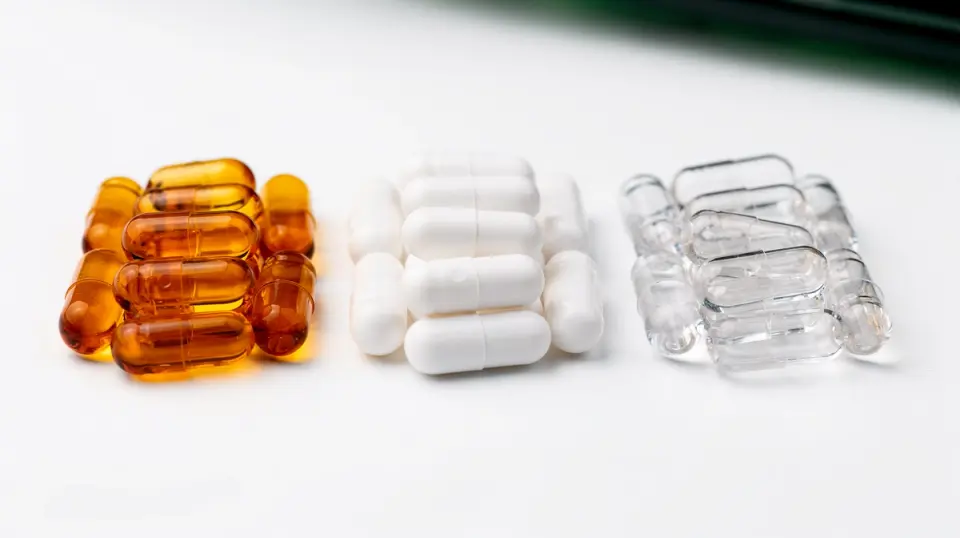
Pullulan capsules — Naturally clear or translucent, pullulan capsules do not require any opacifier. They provide an excellent oxygen barrier. For products where a clear capsule is acceptable, pullulan eliminates the need for any whitening agent.
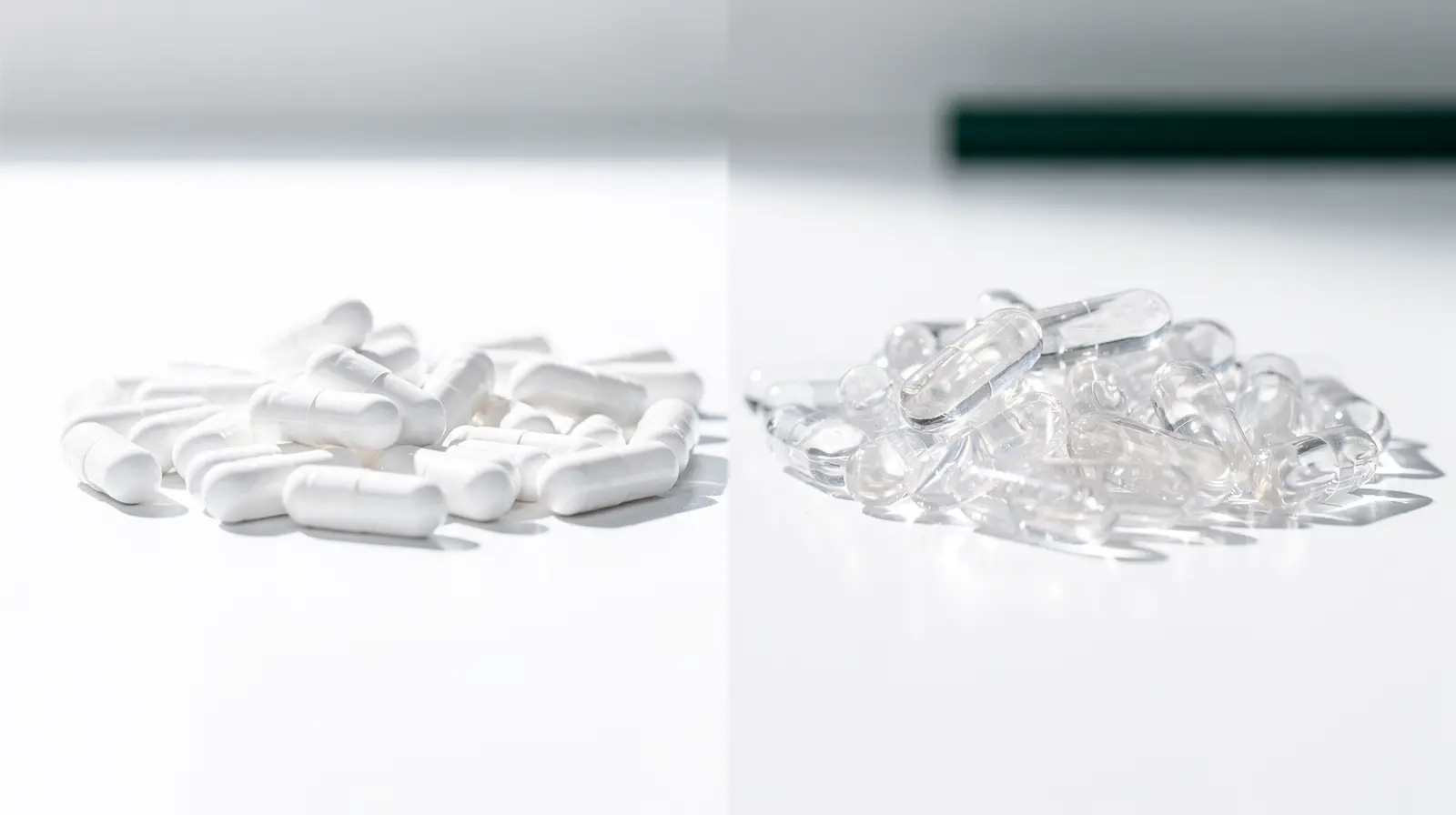
HPMC capsules with calcium carbonate — Calcium carbonate can replace TiO2 as a white opacifier in HPMC capsules, providing a similar appearance without the regulatory concerns. However, the whiteness may be slightly less bright than TiO2-based capsules.
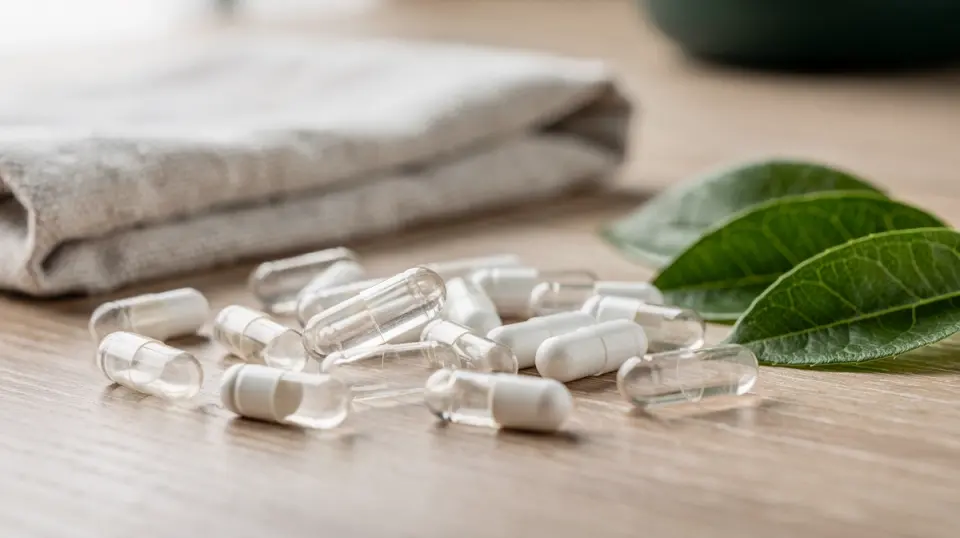
Transparent capsules — Simply switching to transparent (uncoloured) capsules eliminates the TiO2 question entirely. This approach works well for clean-label products where consumers value seeing the contents.
Rice starch-based opacifiers — Some manufacturers are developing rice starch-based alternatives that provide opacity without TiO2. These are still emerging but show promise for clean-label applications.
Regulatory Timeline
The regulatory landscape for TiO2 varies by region. In the EU, the food additive ban is already in effect. For pharmaceutical products, the European Commission is working with EMA to establish a phased timeline for removal from medicinal products, with final deadlines expected by 2025-2026.
Outside the EU, the situation differs. The US FDA still permits TiO2 in food and supplements. The UK, post-Brexit, maintained its own assessment and has not yet followed the EU ban. However, consumer pressure and global supply chain considerations mean many manufacturers are proactively removing TiO2 from their products worldwide.
How to Transition
Transitioning to TiO2-free capsules involves several steps. First, identify all products in your portfolio that currently use TiO2-containing capsule shells. Then evaluate alternative capsule options based on your specific requirements (appearance, light protection, cost).
For most products, the transition is straightforward — swap the capsule shell to a TiO2-free alternative and conduct stability testing to confirm no impact on product quality. For products where the white appearance is important for brand recognition, communicate the change to consumers as a positive step toward cleaner formulations.
Frequently asked questions
Are TiO2-free capsules more expensive?
Will removing TiO2 affect my product stability?
Is the TiO2 ban likely to expand to other regions?
Need capsules for your formulation?
View our range →